
Power floated concrete floors
A power floated floor is a concrete slab finished with a power float: a machine with blades spinning on a pan that gives the concrete a smooth, dense, level surface. It's the finish on garage floors, workshops, sheds, farm buildings and units, where the concrete itself is the floor.
Floating starts once the concrete has partly set. A rough guide is when walking on it leaves marks 3 to 4 mm deep.
Free, no obligation. One local concrete contractor prices it, not five.
How a slab is power floated
- Pour, level and tampThe slab is placed, compacted and struck off level, the same as any slab.
- Wait for the setFloating can't start until the surface will take the machine. Air temperature, humidity and the mix decide when. Too wet and the blades tear the surface; too dry and the high spots can't be cut or the low spots filled.
- FloatThe operator walks backwards across the slab so the machine takes out the footprints, at a slow, steady pace.
- TrowelThe blades are then angled, about 5 to 10 degrees, and raised after each pass for a harder finish.
- CureThe finished slab is covered or sprayed so it doesn't dry out, the same as any slab.
Why float a slab
- A dense, hard-wearing surface without a separate screed on top.
- A finish that's quicker and less work than trowelling by hand.
- On silage slabs, power trowelling gives an even denser finish than a smooth trowelled one.
- Not every surface wants it: for yards, the Federation suggests a brush finish for grip for machinery and animals in the wet.
The power float
A power float is an electric motor or petrol engine over a circular pan, with reversible steel blades that turn at up to 150 rpm. A 36-inch (914 mm) petrol power float weighs about 80 kg and hires for about €55 a day without VAT. You need a van to move it. That's a hire price for the machine, not a price for floating a floor.
What decides the price
A slab is priced per m² and a foundation per metre, for your job: the area and depth, the concrete grade, the steel, access for the truck and what's under the slab. Send the job and you get a written price.
- The area: floating is done in one go, so a big slab needs a crew and more than one float.
- Access for the truck and the float, and whether it's pumped
- The concrete grade, and any fibres or mesh
- Whether the slab is inside or exposed to frost
- The time of year: a cold day slows the set and stretches the day
Floors laid by the contractor who takes your call
Calls on this site ring JAM Floor Screeding: James Mulhall, based in Portlaoise, 25 years laying floors. Lines open Mon to Sat, 7am to 6pm. He pours concrete floors, slabs and foundations as well as screed. These are his jobs.
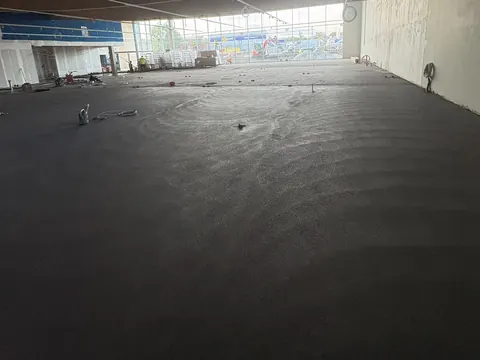
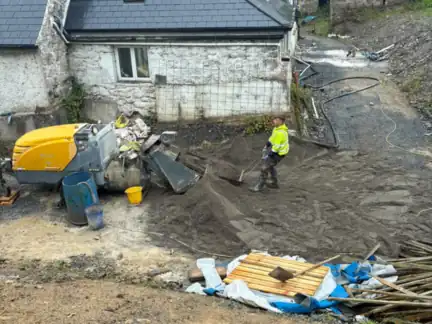
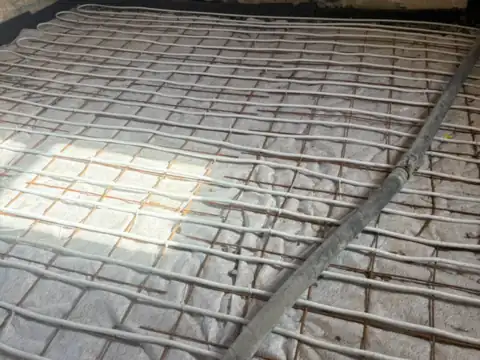
“JAM were punctual, professional and efficient and did an outstanding job on pouring our new floor as part of a renovation. Very highly recommend!”
“Excellent work, laser level finish, neat and tidy worker, highly recommend.”
“Top class work by james and his crew, highly recommend”
Quoted word for word from JAM Floor Screeding's Google reviews. Read them on Google
Get the job priced in 4 quick taps
Tell us about the job. It goes to one concrete contractor who covers your county, and they ring you to price it.
Concrete contractors guides & price breakdowns
Straight answers to what people ask most: itemised costs, specifications, planning or grants, and what to check before you book.
More guides & resources: Concrete vs screed · Slab depth for an extension · Building Regulations for concrete · All guides & calculator hub · Technical & trade glossary · Frequently asked questions · All areas covered · About this site
Power floated floors questions
What is a power floated floor?
A concrete slab finished with a power float, a machine with blades spinning on a pan, giving a smooth, dense and level surface without a separate screed.
When do you power float concrete?
After the slab has been levelled and tamped and has partly set. A rough guide: when walking on it leaves marks 3 to 4 mm deep.
How much is it to hire a power float?
A 36-inch petrol float hires for about €55 a day without VAT. That's for the machine only.
How much does a power floated floor cost per m²?
A slab is priced per m² and a foundation per metre, for your job: the area and depth, the concrete grade, the steel, access for the truck and what's under the slab. Send the job and you get a written price.
Concrete contractors across all 26 counties
Requests from all 26 counties go to one vetted local specialist who covers your county — from Dublin, Cork, Galway and Limerick to Kildare, Meath, Wicklow, Waterford and Donegal. Pick your county below for local prices, specifications and advice. Compare all areas covered →
Get a free quote for the job
Four taps and your number. One concrete contractor who covers your county rings you with a price. Nothing is booked until you say yes.